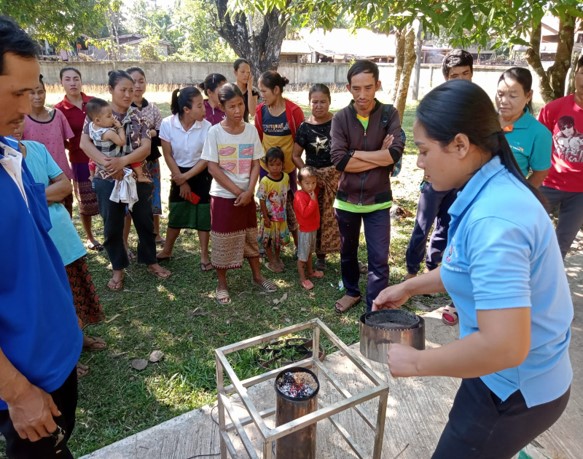
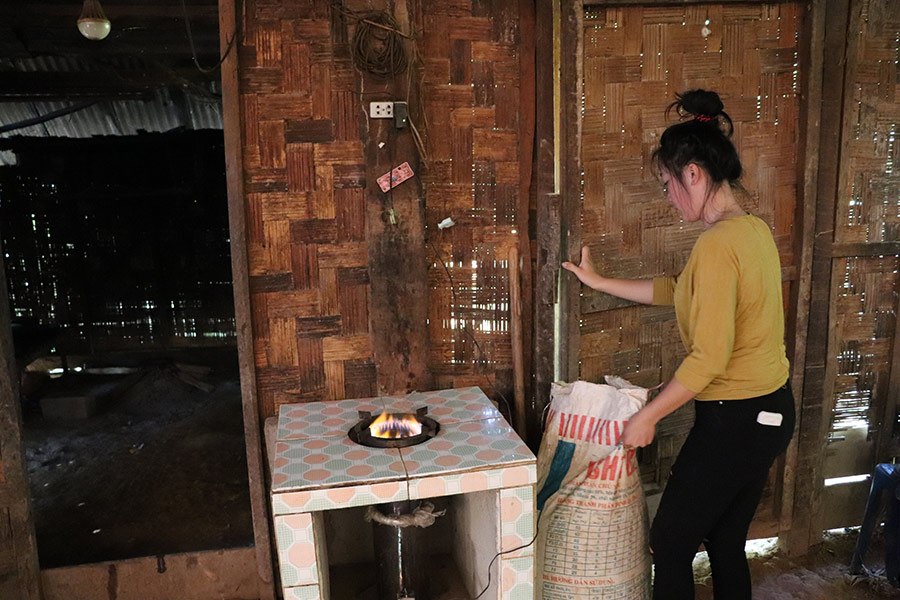
HPP Laos implements the project: Empowering Ethnic Minority Women and Girls through Clean Cookstoves and Sustainable Agriculture for Improved Health and Livelihoods in Khammouane Province, Laos. The project is funded by the Canadian Funds for Local Initiatives (CFLI). The aim is to reduce women’s workload related to the collection of firewood and to tackle health and environmental issues stemming from the traditional way of cooking.
The project targets 200 vulnerable rural women/girls and their families in Nasathong and Nangien villages of Gnommalath district and Keunphan and Khoksvang villages of Mahaxay district.
I am 31 years old and I am from Khammouane Province. I started working with HPP Laos in the middle of 2018. My work in the past was as an agriculture facilitator in the Farmers' Clubs project. I had responsibility for Farmers' Clubs in 34 villages in the two districts Xaybouathong and Bualapha.
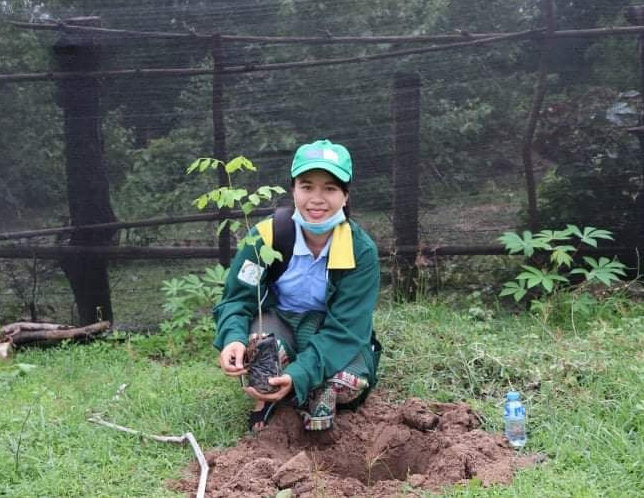
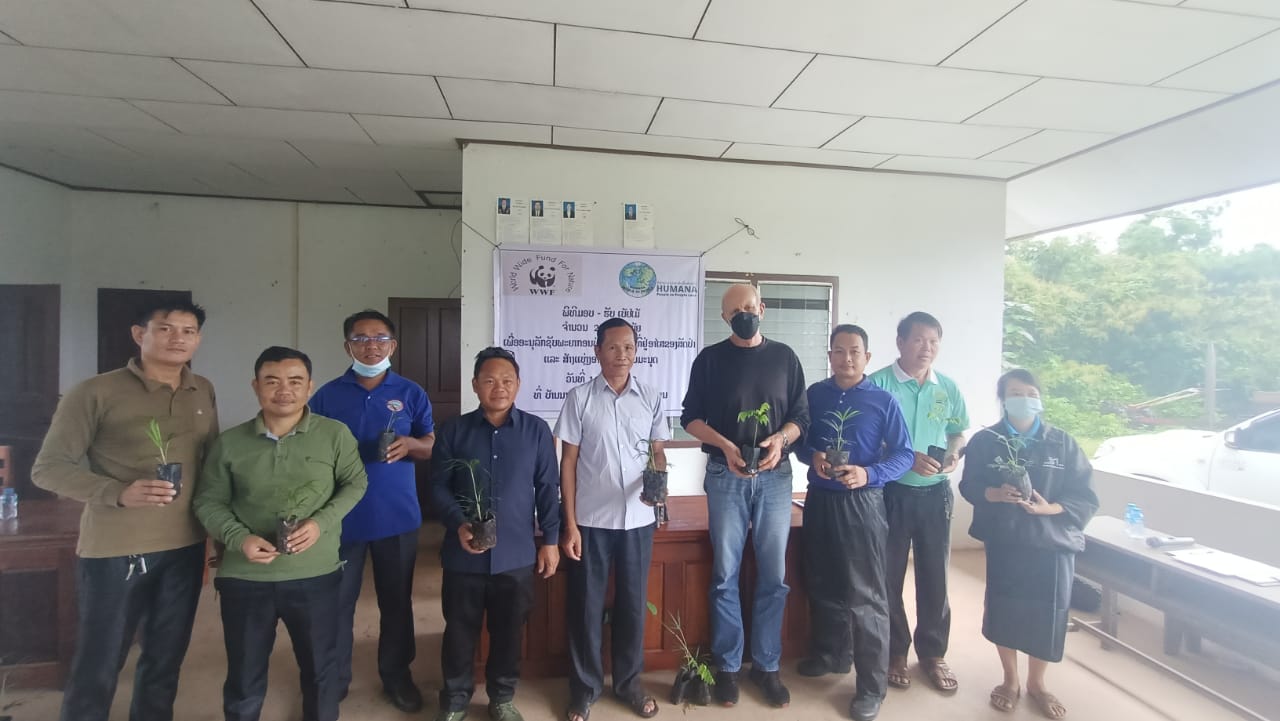
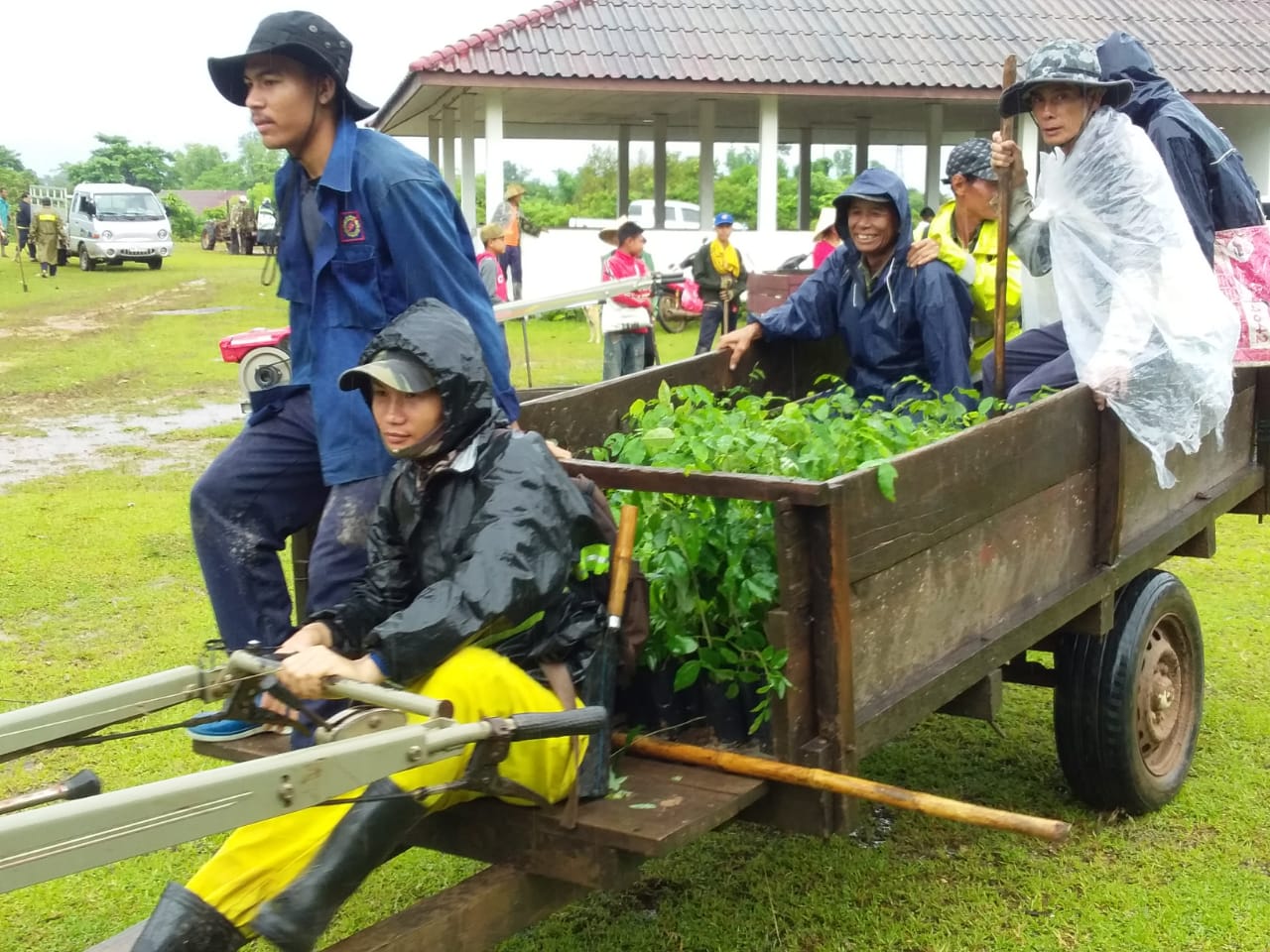
Over the course of my work, I have seen this project enable farmers to create sustainability in their agricultural production. Our project worked shoulder to shoulder with the farmers, focusing on working as a group in the Farmer's Club. They learned, shared experiences with each other during meetings and trainings, and used sustainable work patterns for cultivating and raising animals. Our project was carried out until we achieved the goal, but I was most impressed to see these Farmer's Clubs continue to operate, even after our project was over. I was introduced to work in the project of planting trees in Ban Na Kham, KhunKham District in June this year. It is one of my favorite jobs, I love to plant trees, and I love to protect the environment. I'm very happy when I work with the farmers and I am pleased to be a part of HPP, being able to contribute to the development. We go for progressive development and involvement in all activities, so I can say that our project will help to change the degraded forest for the better. Green areas will cover more, and the farmers will be happy to work with our project.
Finally, thank you to World Wildlife Fund for funding the project, and thanks to HPP Laos for trusting me and for giving the opportunity to share my knowledge and gather experience in this community development.
Mr. Warsizong, 43 years old from Phadai village in Bolikhan District, Bolikhamxay Province, tells us about his experience with the goat pass-on project:
“In the past, my family have never raised a goat. At the beginning of 2016, Humana People to People project started to teach us how to raise small animals and how to look after them. They gave us knowledge about how to raise goats, such as making house for goats, give vaccinations and treat them when they are sick. The project also provided 3 goats for me - 1 male and 2 females. We have used the knowledge to raise the goats and when we had problems Humana People to People Project leader and also more experienced goat farmers helped me. This year I have 16 goats, I can sell 4 of them and will earn 2.400.000kip (293 USD). It was not difficult to raise the goats, they are fast growing and give birth twice a year. In 2018 I can give goats to 1 family more – which is what I have promised in the pass-on goat system. I also expect to sell 2 male goats, and I will still have 14 goats. Raising goats is a very good income for my family”.
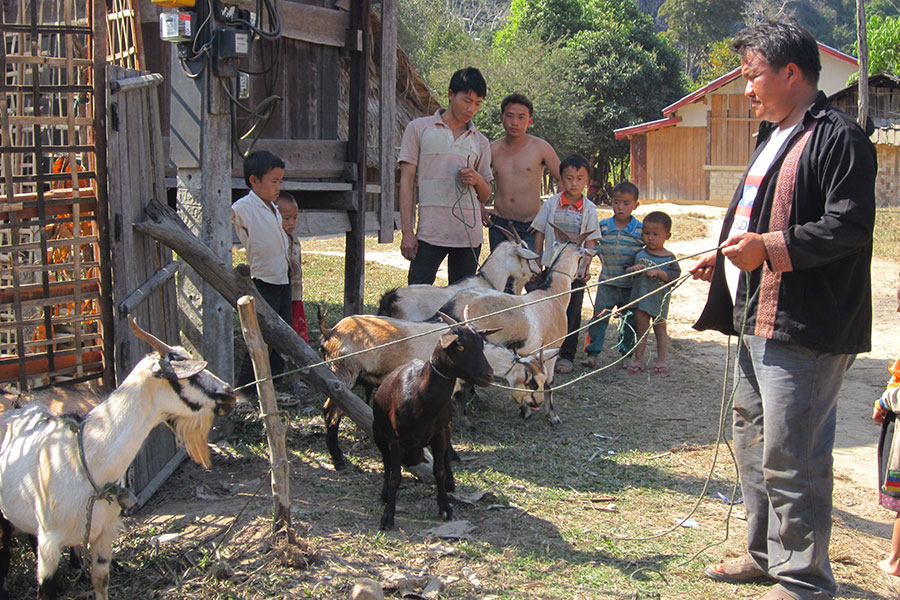
Every participating family received female goats, and some families an additional male goat
The families built shelters for their goats to protect them from rain and diseases
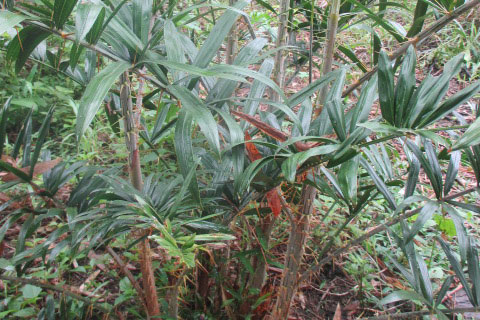
Ms. Jizong is 52 years old. She lives in Unit 8, Khum 3, Phadai village of Bolikhan District. She head up a group of farmers growing rattan as a cash crop. In 2015, she started planting rattan in the forest, and now she has 400 plants under cultivation. To grow rattan profitably the farmer must weed, mulch and apply compost regularly. HPP Laos staff support the farmers in adopting sustainable agroforestry methods which benefit their crops and simultaneously increase farmers' understanding of the importance of forest ecosystems. After two years, the farmers can harvest their first rattan shoots and sell them in the market. They also bring rattan shoots home to complement family meals. In total, 116 families participating in a Farmers' Club project have planted rattan plants in the forest area around Ban Phadai, and many have expanded their production since.
A rattan palm planted in the forest
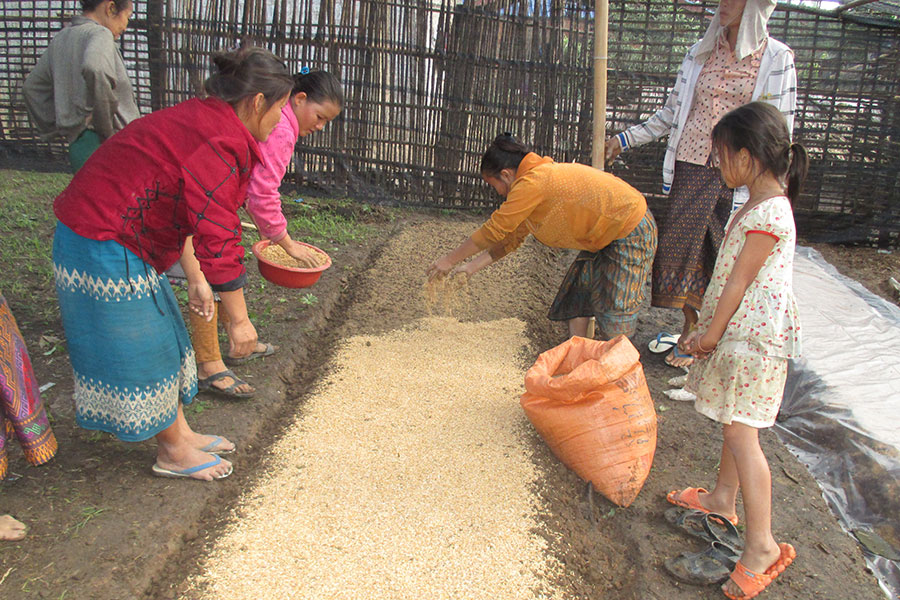
Women farmers establishing a rattan nursery
Ms. Jizong says: “Humana People to People has given me the rattan seeds and taught me how to make a nursery and how to plant and grow the seeds. Sale of the rattan shoots already give me a good income after 2 years. I can sell 3 shoots for 5000 kip, and I can cut shoots from the rattan plants three times a year. This year I have maintained the rattan field better than last year: taken care of weeding, mulching and giving them compost. And this year the rattans have produced more shoots. I think that in 2018, I will be able to cut 2-3 shoots once every second month in 1 the best area, and expect an income of 20.000.000 kip (2,400 USD). Production of rattan has provided very good income for me. By taking shoots from my own plants I want to expand my rattan field next year. Thanks to HPP Laos I have improved my family's well being and know how to continue to improve it even more."